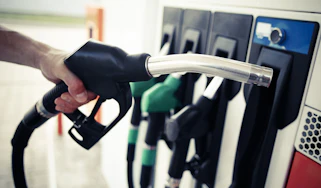
What do car fuel additives do and are they any use?
Fuel additives claim to improve your car's economy, performance, or both - but do they really work?

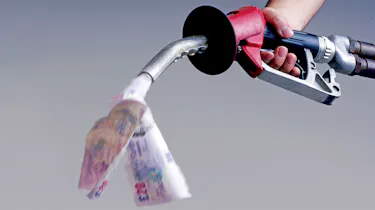
Fuel additives act as a magic potion, with an ability to transform a tired engine into a smooth operator - or, at least, that's what the advertisers would like you to believe. They cost from around £5 a bottle, and you just pour the liquid into your fuel tank.
These fuel additives are available for petrol and diesel engines and promise a wide range of benefits, from keeping carburettors, injectors and intake valves clean, to removing water from the fuel system. Other supplements are designed to work directly on the catalytic converter and exhaust parts.
In basic terms, the car should run more smoothly following a dose of additives, with increased fuel economy, improved performance, lower emissions and prolonged engine life among the benefits claimed by the manufacturers.

They're easy to use: follow the instructions on the bottle, but in the majority of cases you add the liquid to the fuel tank when it's full. This dilutes the additive with the fuel, which then flows along the fuel lines, via the fuel pump, into the injectors or carburettor, and into the combustion chamber, cleaning as it goes along.
In general, these additives work best on older, high mileage engines that have either been neglected or missed out on regular maintenance. You're unlikely to see any benefit on a newer, well-maintained vehicle.
Additive types
It's important to do your homework before using an additive, as there are different fuel additives for various fuels and purposes. A simple internet search will reveal the different types and the claimed benefits.
For example, leaded petrol was withdrawn from sale in 2000, with lead replacement petrol (LRP) following soon after. For owners of cars built before 1992, the chances are the cylinder engine would need to be converted to run on unleaded, but a lead replacement additive is a day-to-day alternative.

If you live in a cold climate and run a diesel car, you can get additives that stop the diesel fuel in your tank from congealing, which can cause blockages in the fuel system. And if you're putting a car into storage, another fuel additive can help preserve the fuel so that the car is easily started when you come back to it.
An engine flush could also prove useful if you're trying to get a car that hasn't run in a long time back on the road, as it should loosen off any residues and crust that has built up in the fuel system over time.

Effectiveness
While these additives do help in certain situations and with different engines, the additives you should steer clear of are those that claim to improve fuel economy. Even with the best will in the world, the reality is that any savings you make in economy will be more than cancelled out by the price of the fuel additive in the first place.
What's more, independent tests by consumer group Which? have revealed that these supplements don't tend to deliver on their promises of adding oomph to your engine - some can even increase the cost of a petrol refill by 50 per cent! Most of these products claim to increase a fuel’s octane rating (a higher number can make the engine run smoother), but none managed even to equal the rating of premium-grade petrol.
Alternatives
The reality is that if you own a car that's less than 10 years old that has been well maintained, there really isn't any need to use any of these kind of additives, as the car's electronics and fuel system will be optimised to deliver the best mix of performance and efficiency in the first place. And if that's the case, it begs the question - if fuel additives are so good, why don't car makers recommend them? And why are they not commonly found at petrol stations across the country?
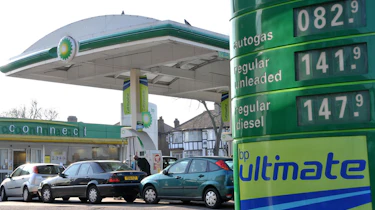
In reality, they sort of are. If you feel like your car could do with a bit of a boost, then a better value alternative than an additive could be to use a higher octane forecourt fuel than regular 95 octane. Even supermarket chains offer 99 octane fuel these days for a few pence more than regular petrol, and leading fuel retailers make grand claims about the effective 'cleaning' that high-octane fuels can achieve.
These fuels are a necessity for highly tuned sports cars, but some firms even offer higher octane diesel fuel, and running a tankful through a regular car won't do any damage, and may even give your car the boost it needs.
Have you ever used a car fuel additive? Let us know what you think in the comments...