Modern ADAS driver-assistance systems can be borderline dangerous
Editor Paul Barker believes that some modern car safety tech is more of a hindrance than a benefit

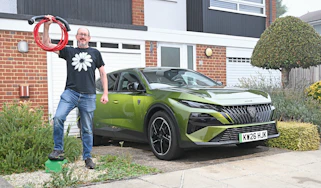
I spent a long time in a Renault Megane for a piece you can read next week, but amid everything else that was going on for that feature, I have a new favourite button!
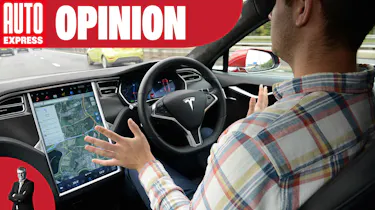
It’s been well documented that the latest driver-assistance systems aren’t always that user friendly, and in many cases can be very intrusive and even borderline dangerous. So despite the potential benefits, the first thing I do in a car is disengage the lane-keeping assist. You must do this every time you get in, thanks to the quest for Euro NCAP crash-test stars.
The systems only really have a benefit on dual carriageways and motorways, and are a hindrance on local roads, where they can’t seem to spot the parked car or cyclist they’re trying to steer the car back towards when you cross the central line. That’s why the Megane made my day with a button to the right of the steering wheel which lets you set a personal preference for the assistance settings.
So rather than delving through a sequence of touchscreen menus, a quick double-click of my new favourite switch and the Megane is set how I want it across eight preferences. These cover lane departure, speed-limit warning and driver-monitoring systems, all of which default to on when you fire up the car.
Even better is that it’s a physical button that you can feel without having to take your eyes off the road. In most cars, I’ll forget I haven’t disengaged the Incredibly Irritating Lane Keep Interference (IILKI for short), which I think is what the car makers call it, so I have to delve through screens while on the move.
Obviously tidy cabins look much neater, but if the car is having to tell you to keep your eyes on the road while you’re trying to perform simple functions – which I’ve seen in three separate brands’ vehicles recently – then it sounds like an acknowledgment that these set-ups are too complicated to operate on the move. I know they’re cheaper and easier to develop and update, but since when is that more important than the safety and comfort of users?
I swear most of the people developing in-car technology never try to use their own systems while on the move, because if they did, they’d stop trying to foist a smartphone-type user experience into a situation where it’s illegal to use a smartphone!
What's your opinion on modern safety tech? Tell us in the comments section below...