Are EVs really cheaper to run? Exclusive electric vs petrol running costs analysis
EVs have been sold primarily on their low running costs; we do the maths to see if the benefits are genuine

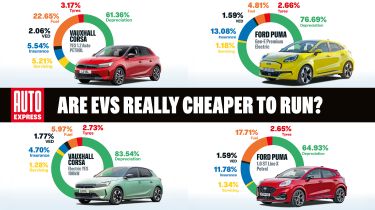
Making the switch to EVs has been sold on promises that it’s more environmentally friendly, offers a smoother drive and, perhaps most importantly, incurs reduced running costs. But is that last point really true? While the Government recently introduced the Electric Car Grant to give private buyers an extra incentive to take the plunge, many of the other benefits of buying electric – such as an exemption from VED (road tax) and the London Congestion Charge – have been watered down or removed altogether.
EV charging vs buying petrol
One thing that undoubtedly remains the case is that charging an electric car is eminently cheaper than filling an internal-combustion car with petrol. Using average off-peak domestic and rapid-charging prices, we calculated the cost of charging five different electric models across 36,000 miles, basing the proportion of home and public EV charging (84 per cent and 16 per cent, respectively) on the latest survey data from ZapMap.
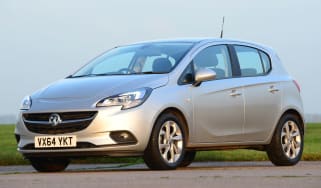
We consistently found that charging an EV cost less than half of what you’d pay for petrol; the electricity to power a Volkswagen ID.3 for 36,000 miles would cost the average owner with a home charger just over £1,500, as opposed to almost £3,900 to fuel an equivalent petrol-powered Golf over the same period. Charging a Vauxhall Corsa Electric would cost a staggering 70 per cent less than filling up like-for-like.
It’s worth mentioning that the above assumes that both the electric and petrol models achieve their claimed WLTP efficiency figures; drive the petrol car mostly around town, or an electric car on the motorway in the winter, for example, and this could skew the results. Those forced to charge solely using the public network will also see the cost of electricity match or even surpass that of petrol; using an identical 84:16 split of slow and rapid chargers at the average rates quoted by ZapMap, charging the ID.3 would cost you almost £4,500 – over 15 per cent more than petrol.
Servicing costs
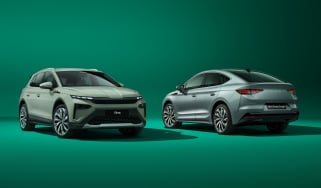
Thankfully, driving an EV does come with several other cost savings over ICE. Given that there are fewer moving parts in an electric car, the price of servicing an EV is consistently lower. The Skoda Elroq, for instance, only requires a service every two years, so it would only need one big check-up over a three year-ownership period – meaning general maintenance costs will be over £200 less than for an equivalent petrol-powered Karoq.
Taxation
In other areas, though, an EV will generally cost the same, if not more to run than a like-for-like petrol model. As mentioned, EVs no longer escape road tax (also known as VED), so you can expect to fork out a minimum of £390 over three years.
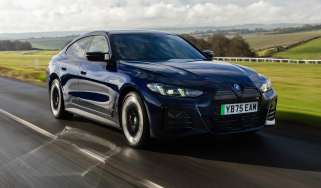
One small silver lining is that as of April 2026, the threshold after which you must pay the annual £425 Expensive Vehicle Supplement will increase from £40,000 to £50,000 for EVs only, so that’s worth bearing in mind for those weighing up more premium offerings. It doesn't help the likes of the BMW i4, though, which even in its least expensive guise costs over £1,200 in road tax over three years.
Insurance
Electric cars are often significantly more powerful than their petrol counterparts, which is why buyers can end up spending more on insurance and tyres. In all but one of the five scenarios we looked at, we calculated that the EV would cost anything from a couple of hundred pounds to almost £1,000 more to insure over three years. In the case of tyres, while you may need to replace them more frequently if running the car for more than just a few years, like-for-like replacements don’t cost all that much more – unless there’s a significant difference in wheel size, that is.
Depreciation
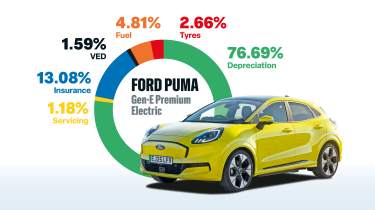
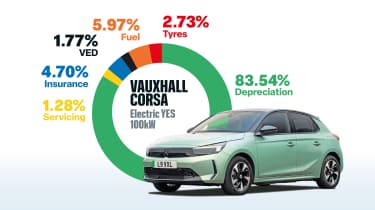
However, the real killer for EVs is undoubtedly the up-front purchase cost and the money you’ll likely lose in depreciation throughout the period of ownership. Almost all of the electric cars we analysed cost more to buy than a similar petrol model, with some suffering from heavy depreciation.
Figures from VIPData suggest the electric Corsa is projected to retain just 33 per cent of its original value after three years and 36,000 miles, versus 47 per cent for the petrol car in the same period. Three out of the other four models saw a less dramatic, but still steeper, decline for the EV than the ICE.
Petrol vs EV costs in detail
Running costs of five popular cars over three years in both EV and petrol form:
| Price (excl ECG) | Depreciation | Servicing | Insurance | VED | Fuel/electricity | Tyres | Whole Life Cost (3 years, 36,000 miles) | WLC Per mile | |
| Vauxhall Corsa YES 1.2 Auto | £ 21,955 | £11,605 | £986 | £1,048 | £390 | £4,283 | £600 | £18,913 | £0.53 |
| Vauxhall Corsa Electric YES 100kW | £ 27,505 | £18,379 | £283 | £1,034 | £390 | £1,314 | £600 | £22,000 | £0.61 |
| Ford Puma 1.0 125 ST-Line X Auto | £ 30,830 | £15,955 | £330 | £2,895 | £390 | £4,352 | £652 | £24,574 | £0.68 |
| Ford Puma Gen-E Premium | £ 31,995 | £18,819 | £290 | £3,209 | £390 | £1,181 | £652 | £24,541 | £0.68 |
| Volkswagen Golf Match 1.5 eTSI | £ 31,875 | £17,876 | £449 | £955 | £390 | £3,897 | £464 | £24,031 | £0.67 |
| Volkswagen ID.3 Pro Match | £ 36,660 | £21,336 | £269 | £1,162 | £390 | £1,562 | £604 | £25,323 | £0.70 |
| Skoda Karoq 1.5 DSG SE L | £ 35,740 | £18,688 | £552 | £3,182 | £390 | £4,683 | £680 | £28,175 | £0.78 |
| Skoda Elroq SE L 60 | £ 33,560 | £17,109 | £318 | £3,537 | £390 | £1,568 | £744 | £23,665 | £0.66 |
| BMW 420i Gran Coupe M Sport | £ 46,915 | £23,490 | £520 | £3,867 | £1,240 | £5,044 | £840 | £35,001 | £0.97 |
| BMW i4 eDrive35 M Sport | £ 52,870 | £31,595 | £605 | £4,701 | £1,240 | £1,694 | £840 | £40,675 | £1.13 |
What about the Electric Car Grant?
The Electric Car Grant, introduced in 2025, was devised as a way to swing affordability in favour of EVs. In reality while this will save you cash, it won't always make the electric option the cheaper one. The Ford Puma Gen-E, for example, nets the top £3,750 grant, so given it's already neck-and-neck with the petrol model, this really can make the difference. The difference in price for the Corsas, on the other hand, is too wide for the lower £1,500 grant to make the EV the cheaper choice. Then there's the BMW i4 which starts from over £37,000 and thus isn't eligible for the Grant in the first place.
What about leasing?
Of course, leasing shifts the costs because you’re letting a finance company take a hit on the car’s value, but the conclusions are broadly the same, although electric cars generally fared slightly better.
When we looked at lease terms from Carwow Leasey, the Puma stretched its advantage over its petrol sibling, while the ID.3 turned the tables on the Golf thanks to an attractive monthly rate at the time of searching. The Elroq was another that was cheaper to lease than its petrol Karoq sibling, drumming home the EV advantage, while the electric Corsa and BMW i4 again came up short against their cheaper petrol counterparts.
| Lease price (Carwow Leasey) | Whole Life Cost (3 years, 45,000 miles) | WLC Per mile | |
| Vauxhall Corsa YES 1.2 Auto | £14,258.10 | £21,283.60 | £0.59 |
| Vauxhall Corsa Electric YES 100kW | £22,853.32 | £26,646.45 | £0.74 |
| Ford Puma 1.0 125 ST-Line X Auto | £15,271.94 | £23,891.19 | £0.66 |
| Ford Puma Gen-E Premium | £14,071.52 | £19,793.11 | £0.55 |
| Volkswagen Golf Match 1.5 eTSI | £17,502.16 | £23,657.22 | £0.66 |
| Volkswagen ID.3 Pro Match | £14,173.09 | £18,159.66 | £0.50 |
| Skoda Karoq 1.5 DSG SE L | £18,783.90 | £28,270.93 | £0.79 |
| Skoda Elroq SE L 60 | £14,518.02 | £21,074.30 | £0.59 |
| BMW 420i Gran Coupe M Sport | £32,224.50 | £43,735.61 | £1.21 |
| BMW i4 eDrive35 M Sport | £39,554.70 | £48,634.22 | £1.35 |
Verdict: EV vs petrol car running costs
Buying electric, then, doesn’t necessarily guarantee lower overall running costs. That said, there are some anomalies that show newer models with lower list prices and longer ranges could be similarly priced or even cheaper to run than the corresponding petrol; after our calculations, our Auto Express Car of the Year for 2025, the Skoda Elroq, comes in at an impressive £5,000 less expensive to run over three years than a petrol Karoq. Britain’s best-seller, the Ford Puma, is also marginally cheaper overall in Gen-E guise, despite a higher asking price and slightly steeper depreciation. And that's not even including the ECG which boosts appeal even further.
Choosing the right EV and doing the maths before you buy is crucial; the Puma, for example, might be almost level-pegging after 36,000 miles, but could get cheaper or pricier the more or fewer miles you do, respectively. On the other hand, buyers can dodge poor residuals or high asking prices of some EVs by capitalising on leasing deals or buying discounts; net yourself a good price and this would negate the heavy up-front cost.
None of this even touches on the case of company car drivers; while incentives might not be as good as they were, lower Benefit-in-Kind tax combined with the figures in our calculations continue to make electric cars the only logical choice for business users.
Did you know you can sell your car through Auto Express? We’ll help you get a great price and find a great deal on a new car, too.